
Forgive me for using such a clickbait title. But this piece matters more than anything I have written before, and so I had to get your attention.
I have wanted to write about "the first principles of parenting" for a long time, but I never knew how to structure it, so starting was always painful. I tried handing the ideas in my head to an AI and letting it write the draft for me — and I simply did not like it.
While groping for a structure, I kept coming back to the "roots–trunk–branches–leaves" model in Chen Xingjia's book You Are Your Child's Prequel. Is that model already close to the essence of parenting? Why not simply borrow the book's framing?
The content below is selected from sections 01–04 of the "Origins" chapter of Chen Xingjia's You Are Your Child's Prequel. Passages are reproduced from the original text in full paragraphs, with some abridgement and no rewriting. For readability, this edition uses new illustrations and reorders the sections.
My thanks again to Chen Xingjia and Zhou Ling for their books. I strongly recommend buying both in print and reading them properly. Slow down. Read them carefully.
Before We Start: How to Read This Long Piece
There is a lot here, but there is really only one thread running through it — understanding your child, and seeing ourselves clearly. So that you do not get lost, I have rearranged the original chapter order into a single climb: model → mechanism → diagnosis → medicine → method.
- One, a model: use the "roots–trunk–branches–leaves" ruler to break any problem your child has into four layers.
- Two, the mechanism: what is actually happening in an adolescent's body and brain, and why your child can seem to become a different person.
- Three, the diagnosis: hold your family up against three "sick" patterns and see where yours lands.
- Four, the medicine: four traits of a healthy family, which happen to be the cure for the three illnesses above.
- Five, two keys: empathy and coaching questions, the two ideas running through the whole book, which carry the theory down into everyday conversation.
If you are short on time, read at least section one and section five. If you are currently stuck on one specific problem, jump straight to section three and give your family a check-up.
One. A Model: Roots, Trunk, Branches, Leaves
What Is the "Roots–Trunk–Branches–Leaves" Model
Picture your child's growth as a large tree.
Leaves are the most visible, most surface-level problems. Refusing to go to school, internet addiction, lying, emotional meltdowns, early romance — all of these are leaves turning yellow or riddled with wormholes.
Branches are the limbs holding up those leaves. They stand for your child's core capacities: self-confidence, resilience, emotional regulation, learning ability, social skills. When leaves go wrong, it is usually because the branches are not strong enough to carry nutrients up. Many adolescent problems are, at bottom, a collapse caused by these core capacities being underdeveloped.
Trunk is the main stem connecting branches to roots. It stands for your parent–child relationship pattern — how you talk to your child, the rules you set, the companionship and trust you offer. All of it is the trunk of this tree. If the trunk itself is blocked or twisted, nutrients cannot travel upward, and of course branches and leaves suffer.
Finally, the roots. They lie buried in the soil and are not easy to see. They represent the atmosphere of the whole family: the couple's relationship, the influence of each parent's own family of origin, the parents' own growth and emotional state. Together these form the soil and root system of the tree. And we all know that whether the roots are alive and whether the soil is fertile decides the life of the entire tree.
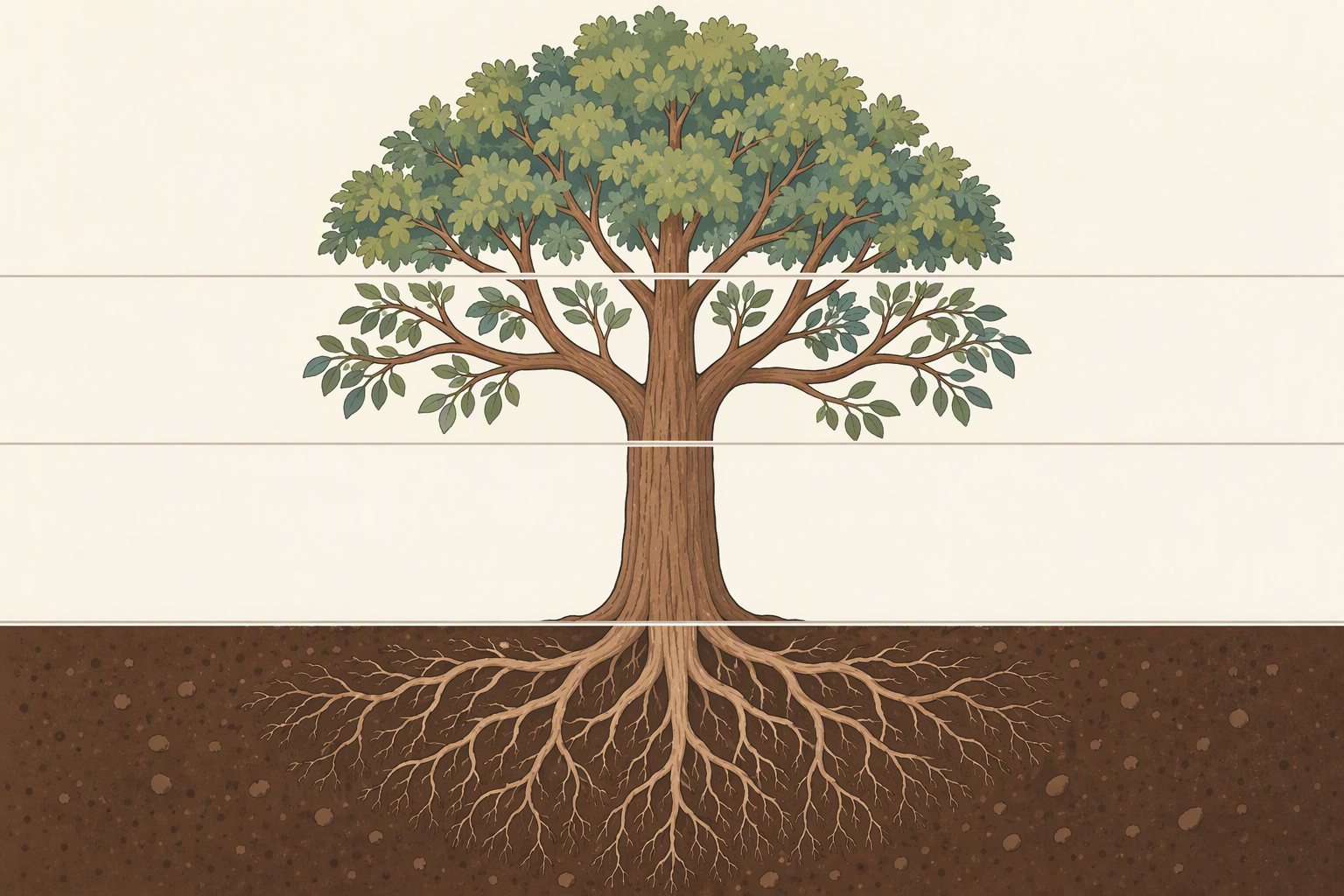
Figure 1 — Any problem a child has can first be placed into one of these four layers: leaf, branch, trunk, root.
Everything we have tried in the past went into treating the leaves. We tried covering yellowing leaves with green tape, or spraying insecticide on the ones the bugs had bitten. But any experienced gardener will tell you this does very little. If you want to actually solve the leaf problem, you cannot stare only at the leaf — you have to look further down for the cause.
That may sound abstract, so let us take one very common adolescent problem — a child lost in online games — and take it apart with this model.
Walking It Through: A Child Addicted to the Internet
From "Leaf" to "Branch"
Cutting the internet, confiscating the phone, limiting screen time, fighting a battle of wits with your child until both sides are battered — this is classic "leaf-treating" thinking.
But seen through the roots–trunk–branches–leaves model, we have to dig one step further: which branch is this withered leaf called "internet addiction" growing on?
It might be growing on a branch called a sense of worth. If, in the real world, your child finds no sense of achievement in schoolwork and no affirmation in interactions with you, he will feel like a failure, lacking any sense of being worth something. But in a game, every level-up and every win gives him immediate, positive feedback and lets him feel that he is "actually not bad." And so many children go looking for a sense of worth inside games.
It might be growing on a branch called social ability. If your child struggles socially, does not know how to get along with people at school, and feels lonely and left out — but in a virtual game world can fight shoulder to shoulder with teammates, share a common language, even become the core of a team — then of course he will go to games to experience belonging and being needed.
It might also be growing on a branch called emotion regulation. A child who is short on emotion-regulation skills often has no idea what to do with negative feelings when he meets frustration, anxiety or irritation in real life. Entering a game world is like passing through a portal: he can forget his troubles for a while, and get numbness and relief.
You see, when our vantage point drops from "leaf" to "branch," what we focus on changes. We stop asking "how do I break my child's gaming addiction" and start asking "how do I help my child build a sense of worth in the real world, find high-quality friendships, and learn to manage his own emotions."
The nature of the problem shifts in an instant from a behavioural turf war into a capacity-building plan. When the direction is right, effort is no longer wasted.
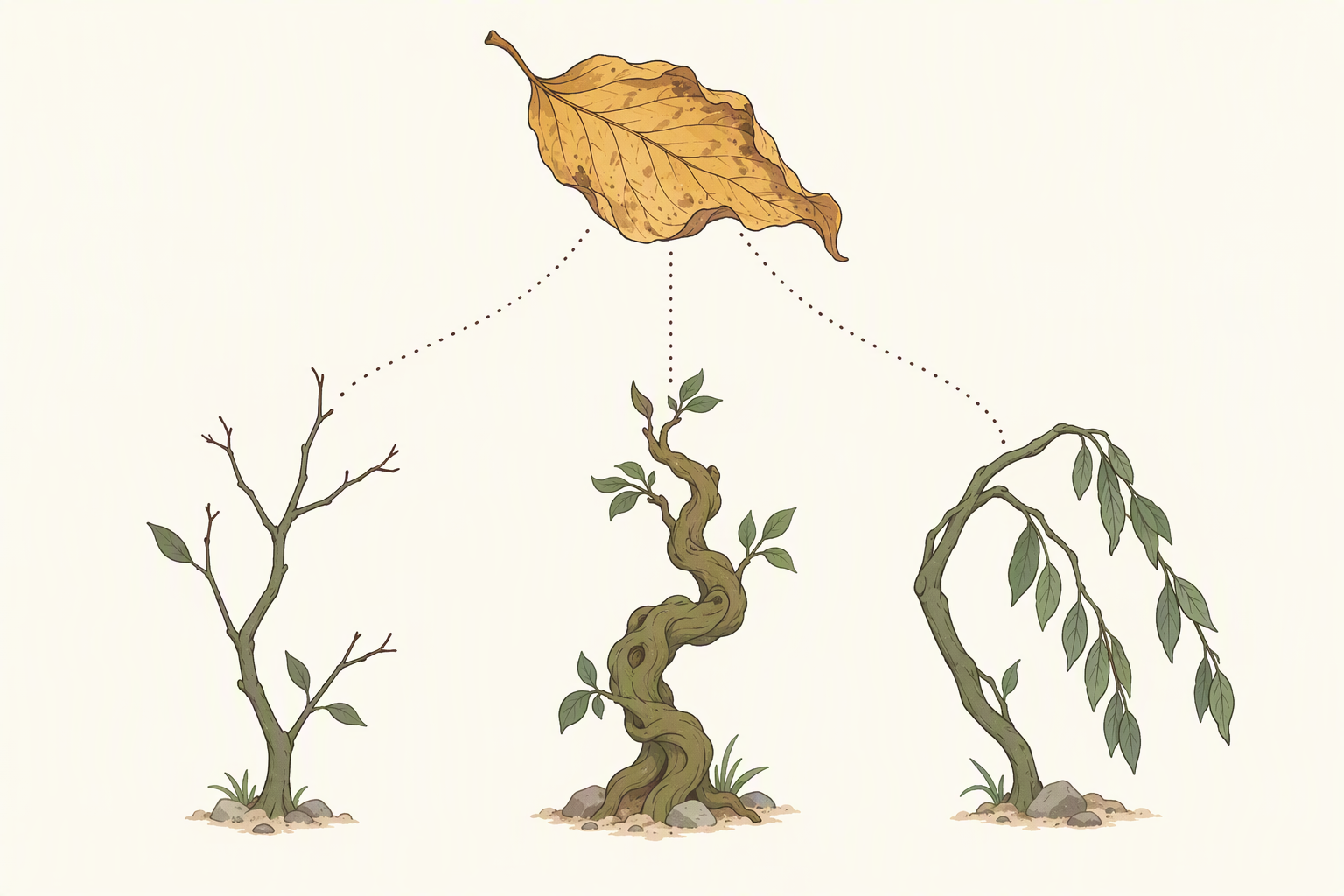
Figure 2 — The same withered leaf, questioned downward, pulls out several completely different branches.
From "Branch" to "Trunk"
But we are not done. We can keep asking: why are these "capacity branches" so fragile? Why has he not developed enough sense of worth, enough social ability?
That requires examining the trunk. The trunk — the parent–child relationship pattern — is the only channel through which psychological nutrients like love, safety and worth travel. If this channel is blocked, a child's core capacities have no way to develop.
It may come from ineffective communication. When our talk is full of lecturing, blame, judgement and comparison — "you are just lazy," "look at other people's children" — rather than listening, understanding and empathy, the child closes the door and stops sharing real feelings and real confusion with us. When exchange and sharing stop, the channel loses its most important flow: emotion.
It may come from low-quality companionship. We may be physically with our child every day, while our mind is on our phone or our work. This "present in body, absent in heart" companionship leaves the child unseen and unvalued, and what runs through the channel is thin air rather than thick love.
It may come from muddled boundaries and rules. Either we over-control, invading the child's personal space and making every decision for him so that he loses the chance to grow; or we over-indulge, with no principles and no bottom line, so that he never learns to take responsibility for his own behaviour. It is like a trunk cinched tight with wire, or soaked in floodwater with no soil to hold it — it simply cannot grow healthily.
So you see: the problem at the "branch" level — the missing core capacities — usually comes from a problem at the "trunk" level, our parent–child relationship pattern. If you want lush branches and leaves, you have to clear the trunk.
From "Trunk" to "Root"
Reaching the trunk is already hard work, but we can go one step further: why is our parent–child relationship the way it is? Why can't we stop lecturing and losing our temper? Why, when we clearly love our child, do we keep pushing him away in the wrong way?
Keep asking, and you will find that the answer lies in the system and atmosphere of the whole family. In the tree metaphor, the source is the invisible root system and soil.
That root system and soil are made of at least three core elements.
The first is the couple's relationship. This is the taproot of the tree that is your child's growth.
The parents' relationship is the first template of intimacy a child ever sees, and the largest source of his sense of safety. If the couple is in constant warfare, cold and distant, or one parent is chronically absent, the soil of the whole family becomes saline — full of insecurity and uncertainty. The child has to burn enormous psychological energy just to cope with the pressure of his parents' relationship.
The second is the parents' own state of growth. We ourselves are the soil.
If we live in anxiety or depression for a long time, if the wounds of our own family of origin are unhealed, then we are like a barren, dried-out patch of ground. Parents who are starved of love inside will find it very hard to teach a child how to love; parents whose emotions are unstable will find it very hard to raise a child who is inwardly calm. Very often, our over-control of our child and our anxiety about our child are projections of our own inner fears and unmet needs.
The last is the influence of intergenerational transmission. Our relationship with our own parents, and our elders' ideas about raising children, also quietly shape this soil.
Very often we unconsciously repeat the patterns our parents used on us. The words we once hated and swore we would never say to our own child, the things we swore we would never do — and then, in a flash, we hear ourselves saying them and find ourselves doing them. That is the enormous power of intergenerational transmission.
Those three — the couple's relationship, the parents' own state of growth, and intergenerational transmission — any one of them mishandled will affect how the whole family system runs and damage the family's overall atmosphere. When the soil and the roots are wrong, how could a towering tree possibly grow?
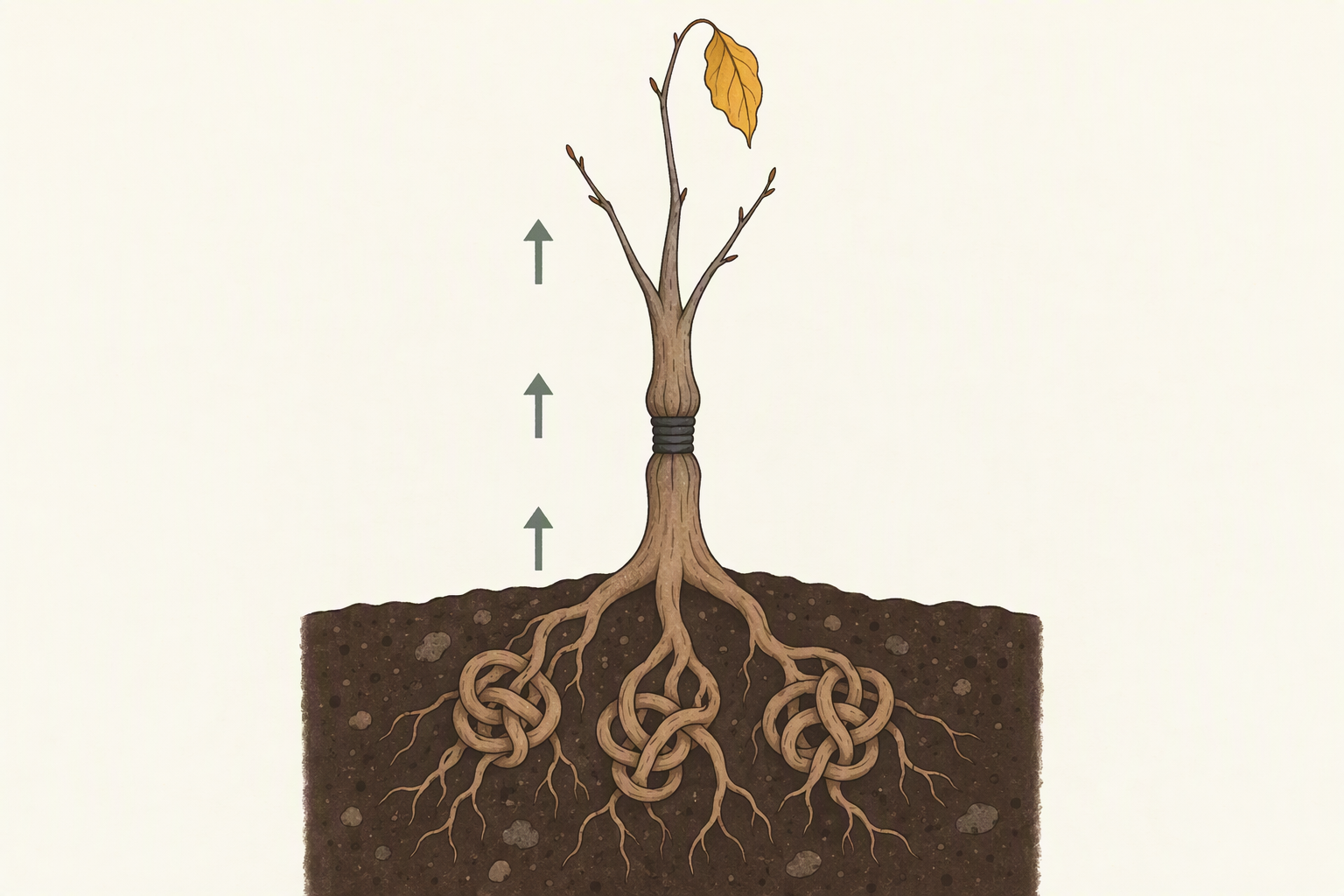
Figure 3 — Follow one withered leaf downward and it pulls out an entire causal chain.
A child lost in games (leaf) may be short on a sense of worth and social ability (branch); and he may be short on those capacities because our communication with him is full of blame and lecturing, leaving him unable to feel love and support (trunk); and the reason we communicate that way may be that our marriage is strained and we are ourselves chronically anxious, with nothing left to give our child by way of high-quality emotional response (root).
Seen as one complete chain, do you still think your child's problem is only his own problem?
We are the source of the problem — and precisely because of that, we are also the hope for solving it.
Two. The Mechanism: What Actually Happens in Adolescence
A mother in the "Robin" project once asked me in real pain: "Mr. Chen, my son was so good and so sensible in primary school — he was my little padded jacket. How is it that the moment he started middle school he became a different person? Covered in thorns, opposing me at every turn. What happened in between?"
Once you understand the underlying mechanism of your child's behaviour, you will see that the "bad" child who gives you a headache is not becoming bad. He is growing, with everything he has, in a clumsy, chaotic way that should honestly break your heart a little.
Hardware Overhaul: Gas Pedal Floored, Brakes Offline
Think of the human brain as an extraordinarily precise smart car. From birth through childhood, the hardware configuration is basically stable and the software runs smoothly. But the moment adolescence begins, this car undergoes the most violent hardware overhaul in its history.
This is not a professional upgrade in a factory. It is a chaotic construction job of "swapping parts while still driving." Picture it: the car is still running on the motorway, and the modification crew has already climbed on and started working. The bonnet is open, parts are everywhere, fuel lines connect and disconnect at random, old and new components are mixed together — and the whole vehicle lurches forward, rumbling, shaking, smoking.
The first feature I call "gas pedal floored."
In this hardware overhaul, the regions responsible for emotion, reward and impulse — what we usually call the limbic system — are activated and strengthened first. This region is the car's accelerator. In adolescence, under the influence of hormones, this pedal has been "modified" to be abnormally sensitive, and it has been pushed all the way to the floor.
First, an adolescent's craving for reward and stimulation is magnified many times over. Something only slightly fun — clearing a game level, chatting with friends, trying something new — can deliver enormous pleasure. This is one reason they are so obsessed with games and social life: while they do these things, the brain's "reward centre" is pumping out dopamine like crazy.
Second, their emotional experience becomes extremely intense and sensitive. A careless remark from a friend can sadden them for a whole day; one small success can keep them awake with excitement all night. Their emotions are a roller coaster, huge highs and lows, and they cannot control it.
Finally, peer relationships become critically important. This brain region is also extremely sensitive to social evaluation. Being accepted and recognised by peers brings enormous pleasure; being excluded brings severe pain. And so, for the first time, friends matter more than parents.
In other words: when your child lies to you in order to go out with friends, when he explodes in rage or dissolves in tears over something trivial, when he becomes so absorbed in something that he forgets to eat or sleep — please do not rush to judge him as "immature." Understand that because the gas pedal is floored, the "emotional engine" in his brain is roaring past its red line, and he cannot help himself either.
The second feature of the adolescent brain I call "brakes offline."
The region responsible for rational thought, impulse control, planning for the future and weighing pros and cons — the prefrontal cortex — is the last part of this hardware overhaul to be finished. It does not fully mature until around age twenty-five.
The prefrontal cortex is the car's braking system. In adolescence, this crucial system is in a state of "stripped down and rebuilt, wiring unstable," and it drops offline regularly.
Adolescents badly lack self-control. They know they should not be on their phone, they know they should be doing homework, and yet they cannot stop themselves. That is because the impulse pedal saying "I want to play" is mashed down too hard, while the rational brake saying "I should study" has failed.
Adolescents act without regard for consequences. Risky behaviours — smoking, drinking, fighting — read to them as thrill and coolness far more than as long-term harm, which they find very hard to think about.
Adolescents cannot manage emotions well. When a huge flood of feeling arrives, the rational levee meant to channel it has not been built yet, so emotion breaches easily and shows up as uncontrolled words and actions. They often regret it afterwards — and then cannot stop it happening again.
A sports car with a roaring engine and enormous horsepower, fitted with brakes that work only sometimes — that is an honest picture of an adolescent.
This is not a character problem. It is a problem of the developmental stage they are in.
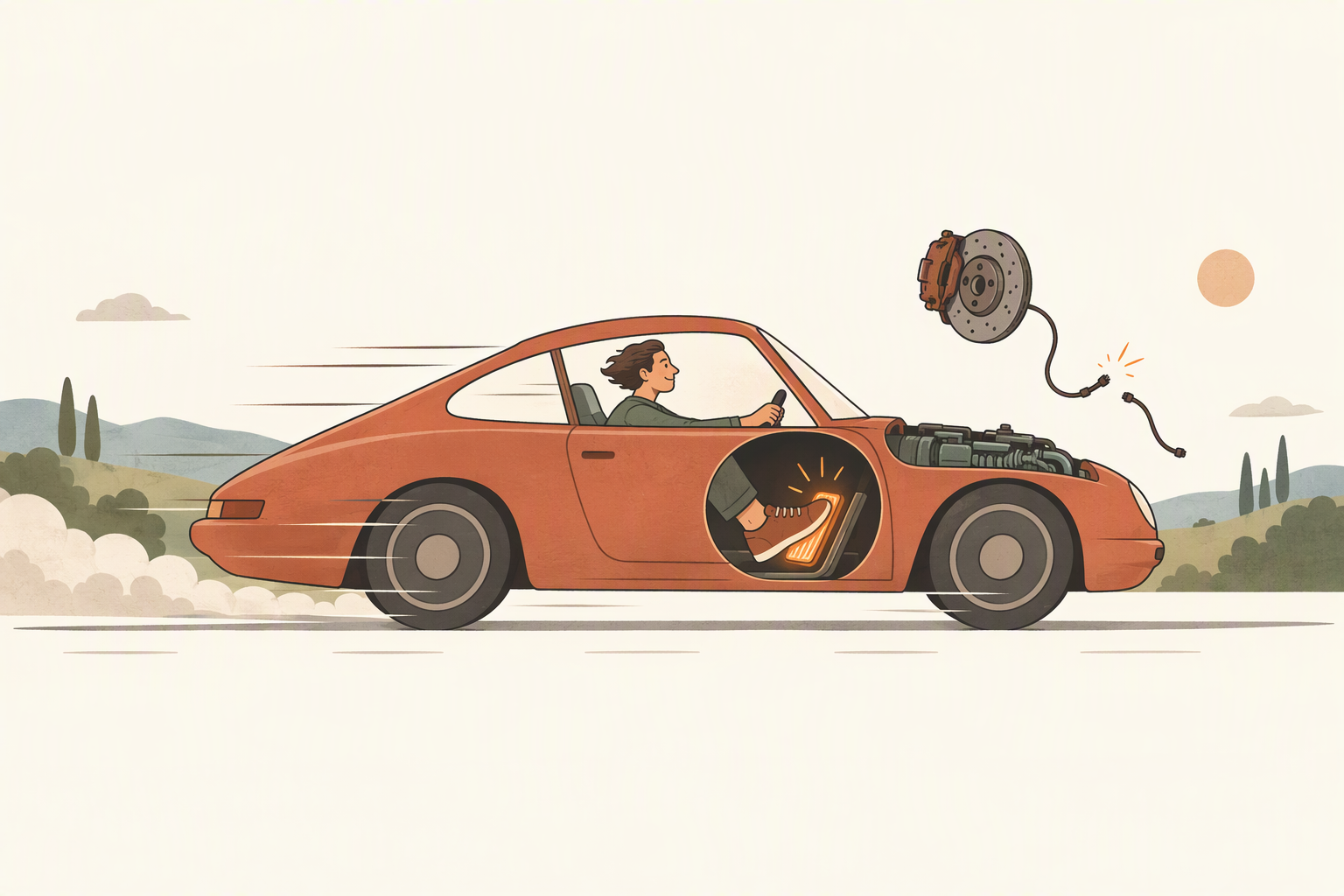
Figure 4 — Understanding the gap in timing between the "gas pedal" and the "brakes" is the precondition for understanding adolescence.
Software Update: Psychological Weaning and Self-Exploration
Now that we understand the chaos in the hardware, let us look at what kind of life "software" this chaotic smart car is running.
Psychology tells us that the adolescent has one core task that overrides all others: figuring out who am I. They need to complete the shift from "so-and-so's child" to an independent "I." This journey of finding "who am I" is what we call identity formation.
To accomplish that great task, they must do two enormous things.
The first is psychological weaning — moving from "dependent on you" to "separate from you."
In childhood, a child's self-understanding rests entirely on the relationship with the parents. "I am mum and dad's good child" — that is their identity.
But in adolescence, to become an independent person, they must, necessarily, cut themselves off from their parents psychologically. They need to wrench free of your embrace and stand opposite you in order to see clearly that "you are you and I am I."
This process of psychological weaning shows up behaviourally as what we call rebellion.
They start challenging your authority. Every sentence you say gets contradicted — not because you are wrong, but because they need to negate you in order to affirm their own existence.
They start needing personal space and privacy. The bedroom door is locked, the diary is password-protected. This is not to shut you out; it is that they need a safe "incubator for the self," inside which to slowly build a small world of their own.
They start treating friends as more important than you, because they need to test-drive their new identity in a new world made of peers and win a new kind of recognition.
I know this process hurts. The child who once depended on you and idolised you completely now treats you as outdated and something to be resisted. That is a loss. But please try to see it from another angle.
This is not a betrayal of love. It is a voyage life requires. Your child is not pushing you away; your child is becoming himself. Like a rocket launching, it has to push hard against the ground and the launch pad in order to fly toward its own sea of stars. What we as parents must do at that moment is not pin him down on the pad, but be the solid launch base he can safely push off from.
While cutting away from the parents, they also launch a vigorous exploration outward, toward the whole world. "Since I am no longer the me my parents see, then who am I?" — that is the second enormous thing an adolescent must do on the journey of identity: self-exploration, moving from "the me you shaped" to "the me I want to become."
To answer that question, they will "trial-and-error" furiously.
They try on all kinds of images and personas. Today they want to be a rock kid, tomorrow they are into anime culture, the day after they are determined to become a business executive.
Their interests become broad and unstable. You will find him passionate about something today and discarding it like an old shoe tomorrow.
They start thinking about ultimate questions. What is the meaning of life? What is fairness? What is love? Questions you may find airy and impractical matter enormously to them, because they bear on the construction of their values.
To an adult this process can look childish, fickle, unrealistic. But for them it is the necessary road to building a self. It is like buying a piece of clothing that fits: you have to go into the fitting room and try on many. They are in the fitting room of life, constantly "trying on" possible versions of themselves, until they find the one that fits best.
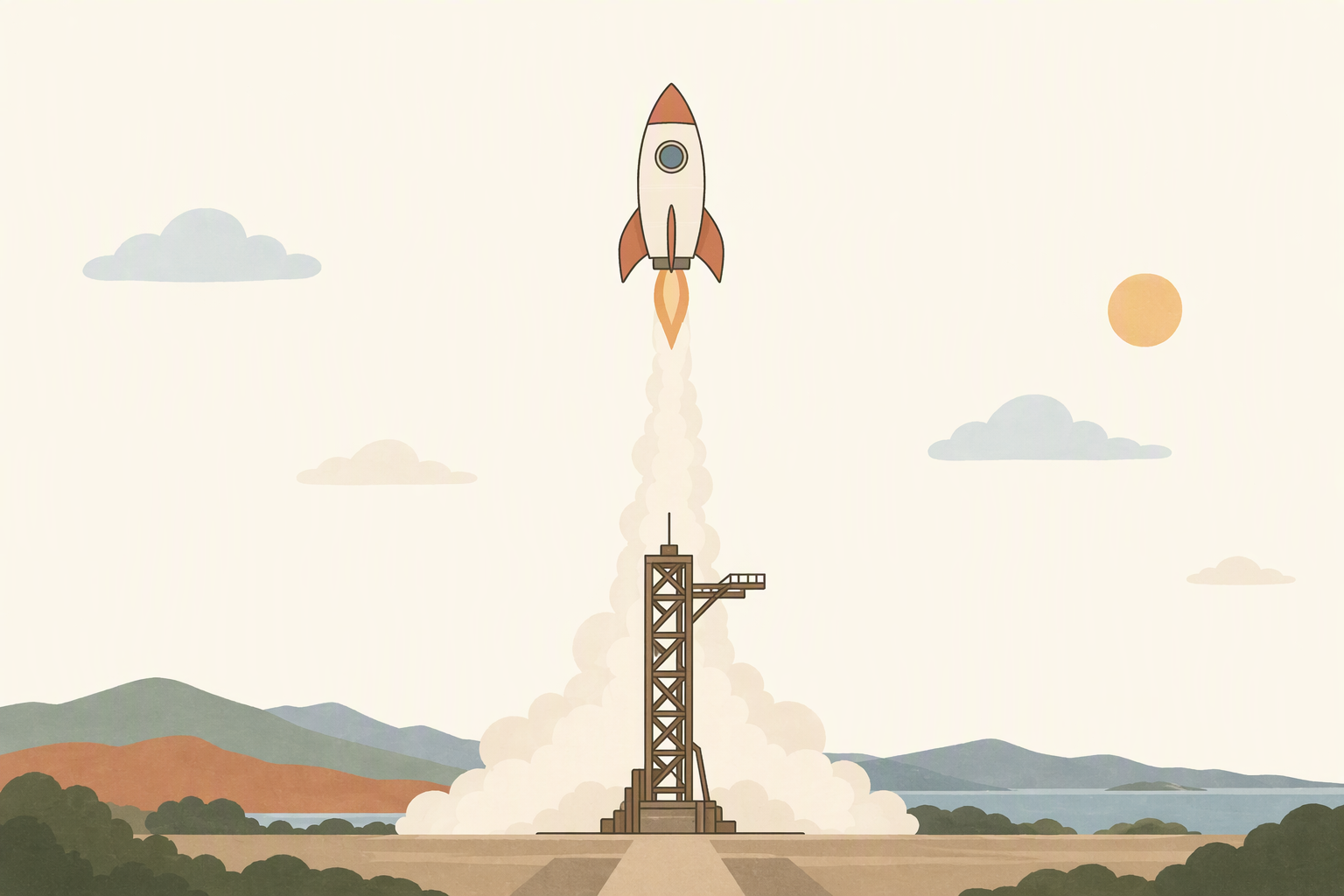
Figure 5 — Rebellion is not betrayal; it is the necessary voyage of becoming oneself.
Writing this, I remember a story a father in the "Robin" project shared with me.
His son Chenchen, in the second year of middle school, became obsessed with skateboarding and his grades slid all the way down. One weekly test came back, and the father, looking at that disastrous maths paper, finally erupted after holding it in for a long time. He pointed at his son's nose and shouted: "All day long it's that damn board! Do you have a brain at all? Are you trying to ruin yourself on purpose?"
The boy, silent until then, suddenly became a different person. He flipped the desk over, fury almost spraying from his eyes. He roared: "Yes! I have no brain! I'm trying to ruin myself! Are you happy now?!" Then he slammed the door and ran out, sprinting through the empty night streets.
That father was shaking with anger, and his first instinct was to run after him and curse him out. But at that moment, looking at his son's desperate and anguished back, the instinct of loving his son suddenly pulled him back. He realised sharply that his son's explosion a second ago was not aimed at him; it was more like a disaster the boy himself could not handle.
Adult reason started working desperately — he understood that his son's "sports car" was right now teetering on the edge of losing control, gas pedal floored, brakes offline, and that if he lost control too it would only produce a terrible head-on crash.
He took a deep breath, put on his coat and went out to look for his son. In the end he found Chenchen on the steps in the park, sweating, staring blankly at the night sky. He did not start lecturing the way he always did. He simply sat down quietly beside his son and handed him a bottle of water.
A long time passed. Then Chenchen said, muffled: "Dad, when I flipped the table I was actually really scared. I don't know why I did that. In that moment I truly couldn't control myself."
The father looked at his son's face in the moonlight — still childish, but written all over with confusion — and his heart ached. He patted his son's shoulder and said softly: "Son, Dad understands. Dad was wrong to lose his temper too. From now on, let's try to help each other when the other one is angry, all right?"
That night, father and son walked a long way under the moon. And for the first time, Chenchen told his dad that the reason he loved skateboarding was that in the second the board was in the air, he could feel a sense of control he had never felt before — "I am free, I am powerful."
That is adolescence. Chenchen's obsession with skateboarding was him searching for the identity of "who am I"; his rage was the construction chaos of the brain's hardware overhaul.
When you see the truth behind these behaviours, anger is replaced by a deep compassion and heartache. You discover that beneath your child's thorny armour is a soul desperately longing to be understood and accepted.
So you see: the enormous physical and psychological storm of adolescence is not a mistake and not an illness. It is exactly the expression of the most vigorous life force! This storm is itself part of growing up — it is even the engine that growth requires. All those "bad" behaviours are, in essence, your child straining every muscle to complete the immensely difficult and noble task of becoming an independent person.
And So the Parent's Role Changes
Once you understand this, the role we as parents must play changes fundamentally.
We are no longer the policeman chasing behind the car with a megaphone shouting "slow down," and no longer the firefighter who charges in the moment something goes wrong —
We should become the sturdiest motorway guardrail beside that runaway sports car, holding the safety line so he does not go over the cliff;
We should become the service area and petrol station he can pull into whenever he is lost, offering unconditional love and support so he can rest and set out again;
And above all we should become the experienced, steady navigator sitting in the passenger seat.
As someone who has driven this road before, we do not grab the wheel from our child. We stand beside him as someone who has been there, to understand and accompany him, using our wisdom and love to guide him safely through the most dangerous, and most magnificent, stretch of the journey.
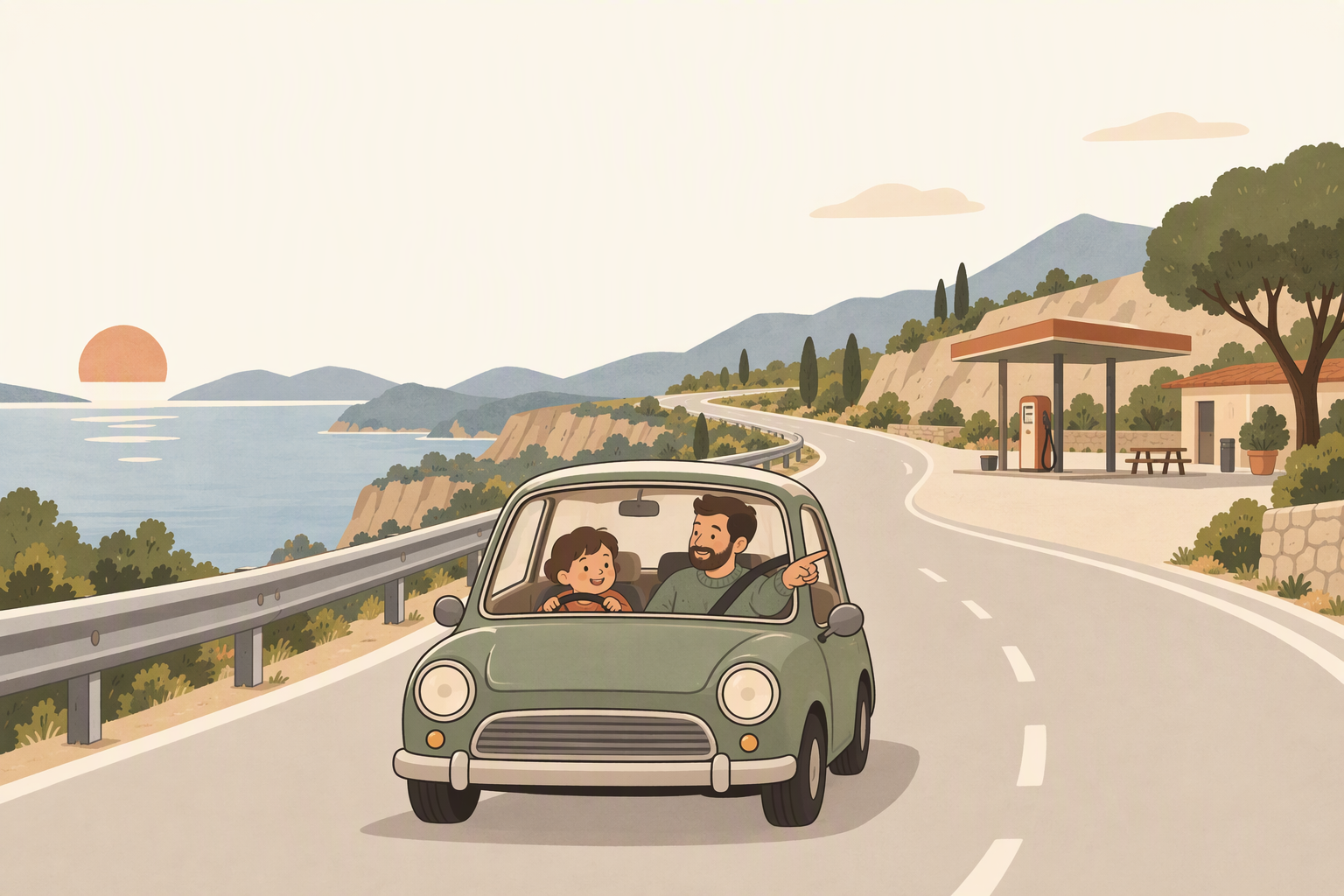
Figure 6 — What parents most need to do is not grab the wheel, but hold the line, offer rest, and keep company.
Three. Diagnosis: Where Exactly Is Your Family "Sick"?
Now we understand the storm inside the child. But how violent that storm becomes, and where it finally carries him, depends largely on the environment he is in — our family.
Very often, a family's problems are like a chronic illness in the body: silent, unnoticed, lurking for a long time. We live inside them, we are used to them, we may not notice them at all. And yet it is these neglected, chronic "dysfunctions" that drain a child's life energy day after day. Usually it is manageable — but once adolescence arrives as a stress test, everything erupts at once.
Please do not flinch from words like "problem" or "sick." Diagnosis is never about labelling or self-criticism. It is about gaining awareness. Awareness is where change begins. Only by seeing the crux clearly can we find a precise direction for healing.
The Emotionally Neglectful Family
The core feature of this family is the absence of real emotional flow between its members.
In material terms, such families often lack nothing. The parents work hard and give the child excellent living conditions; they care about schoolwork and arrange everything. To outsiders, this kind of family can even look exemplary.
But spend time inside one and you will feel something cold and quiet. Everyday conversation among family members concentrates on concrete tasks, with little emotional communication or response. The child's emotional needs are treated as invisible, like air.
First: the parents are task managers, not emotional connectors.
More than 90% of what parents say to the child revolves around tasks: "Have you finished your homework?" "Did you practise piano?" "How many points did you get this time?" You see — what parents care about is what the child did and how he performed, and very rarely how the child feels or what he is thinking.
Second: the child's negative emotions are not permitted or accepted.
When the child cries, is down or is angry, what he hears is usually: "What is there to cry about?" "Be strong, don't be so fragile!" "Getting angry over such a small thing — so immature!" Such parents habitually suppress and deny the child's emotions, because they themselves are afraid of these "troublesome" feelings and do not know how to handle them. Over time, the child learns to hide every emotion and put on a mask of being "good" or "cold."
Third: the family culture puts reason above feelings.
Whenever anything comes up, the parents' first response is to reason, analyse who is right, and offer a solution. They are excellent problem-solvers, but not patient listeners to emotion. In fact, when a child pours out his troubles to a parent, he is sharing his feelings — and what he needs most at that moment may not be an answer, but an empathetic hug. In this kind of family, hugs are scarce and reasons are abundant.
In short, a child raised in an emotionally neglectful family gradually develops a condition psychologists call emotional aphasia. Their inner world may be stormy, but they cannot express it. For example, they cannot tell anger from sadness, and can only describe feelings with vague words like "uncomfortable," because from childhood no one taught them how to express emotion and no one listened when they tried. Gradually they stop even knowing what they feel, and become numb and empty.
Then adolescence arrives, their inner "emotional engine" roars into life, and the pain of having been emotionally neglected peaks. So they seek an outlet for emotion in extreme ways:
Internet addiction is looking, in a virtual world, for the connection and being-seen they cannot get in reality. Early romance is projecting every longing for intimacy and understanding onto one other person. Even self-harm is using physical pain to express a suffering that cannot be put into words.
Reading this, please sit quietly and think: when was the last time you and your child talked without mentioning study or tasks — just purely sharing how you each felt, or something fun that happened recently? When you see your child sad, is your first reaction "what's wrong, sweetheart," or "what now?"
The High-Control, High-Pressure Family
The core feature of this family is that the parents convert their own anxiety and expectations, in the name of love, into tight control and high-pressure demands.
Parents in this kind of family are often extremely responsible and devoted. They do everything they can to plan the child's whole life, from studies to interests, from friendships to the future, believing their own life experience can help the child avoid detours and end up with a decent life.
Their catchphrase is: "I'm doing this for your own good." But behind that warm sentence hides a cold subtext: "so you must do what I say." Of course, I am not saying that every parent who controls their child is at fault — I am saying that when the method is wrong, intense love very easily turns into pressure, and into bondage.
First: achievement-oriented, love is conditional.
In this family, the child's reason for existing seems to be getting top grades and satisfying parental expectations. Love for the child is conditional. Score well and the whole family is radiant; bomb the exam and the child faces disappointment, blame, even the cold shoulder. In that situation the child slowly internalises a belief: "Only if I am good enough do I deserve to be loved."
Second: blurred boundaries, excessive interference.
Parents intrude constantly into the child's personal life. Reading the diary, going through the schoolbag, monitoring social accounts — and in their view all of it is reasonable, all of it is "caring." The child has no space of his own and no right to choose. His life is like a "project" under full-time parental management.
Third: full of criticism and comparison.
To motivate the child, parents habitually use criticism and "other people's children" as a whip. They rarely see the effort the child has already made; their gaze always rests on whatever is not yet good enough.
They are like wind-up puppets with the spring tightened further and further, living under enormous pressure and anxiety. They are like appendages of the parents, required to act according to parental demands at all times. Their reason for existing seems to be only to get good grades and thereby win parental praise. And so their "self" is severely suppressed, and their inner vitality slowly withers.
Then adolescence arrives, their "self-awareness" software starts running, and enormous conflict erupts. They resist this suffocating control in two ways.
One is hard resistance: fierce rebellion. Talking back, arguing, slamming doors, even running away from home. They use every ounce of strength to fight parental control; the home becomes a battlefield for power, and all communication becomes a struggle of "you want me to go east, I insist on going west."
The other is soft resistance: passive defiance. Compliant on the surface, deeply resistant inside. They use procrastination, school refusal and learned helplessness to stage a silent protest — "since nothing I do satisfies you, I'll simply do nothing." This soft resistance is more destructive than open conflict.
Now reflect: do you often use "for your own good" to make your child do what he does not want to do? Do your emotions swing wildly with his grades? Do you feel that your child's success is the most important proof of your own worth?
The Chaotic, Indulgent Family
The core feature of this family is a lack of rules and boundaries, with the parents substituting material gratification and over-handling for real guidance and education. The family of a certain famous singer whose child committed a serious crime at a young age and went to prison is a textbook example.
The parents in this kind of family may feel they owe the child, or may be afraid of conflict, and so choose the easiest way to "love" him. On the surface they are very open-minded, like a friend to the child, very respectful of his choices. But this "love" is disordered love.
One: rules do not hold, there is no bottom line. Rules made at home are routinely voided the moment the child cries or throws a fit. What the parents say carries no authority, and the family lacks any clear standard of right and wrong.
Two: over-gratification, everything on demand. Every material wish is satisfied immediately. The parents use this to express love, and also to avoid having to deal with the child's negative emotions when a wish goes unmet.
Three: role confusion, guidance abandoned. The parents demote themselves to the child's friend, even his servant, abandoning the responsibility of being guides and authority figures. They are afraid of making the child unhappy, so they compromise endlessly and hope to buy "peace."
In such a family the child appears to have maximum freedom, but inwardly he is deeply panicked and lost. Without effective guidance he does not understand how the world works, does not know concretely what is right and wrong, and cannot get along with people within rules — so he simply follows his own impulses.
In a river without banks, what the water meets is not freedom but loss of control. The same is true for a child in a family without effective guidance.
Such a child becomes extremely self-centred, with no respect for others or for rules. And because he is used to "make a scene and the wish is granted," he easily lacks responsibility, the capacity for delayed gratification, and resilience.
Then adolescence arrives, and when he has to face more complex social rules and academic challenges on his own, he may seem badly out of place and extremely fragile, because he never built an inner sense of order or strength. The moment he meets frustration, or a desire goes unsatisfied, he collapses easily — or tries to take by extreme means.
Ask yourself: does your home often change its rules overnight? Are you afraid to say "no" to your child because you fear his anger? Is your habit to solve every problem between you with "buy, buy, buy"?
I suspect your feelings right now are complicated, maybe heavy. You may have found that your family is not purely one of these types, but carries traces of all three — or is a mixture of two or three. Perhaps Dad is high-control and Mum is indulgent-compensating; perhaps the family is emotionally neglectful day to day, and switches to high-control the moment schoolwork comes up.
Whatever the diagnosis, I hope you do not fall into self-blame. Remember: we run this diagnosis not to judge what was right or wrong in the past, but to see the direction for the future.
Seeing the problem is itself an enormous source of strength.
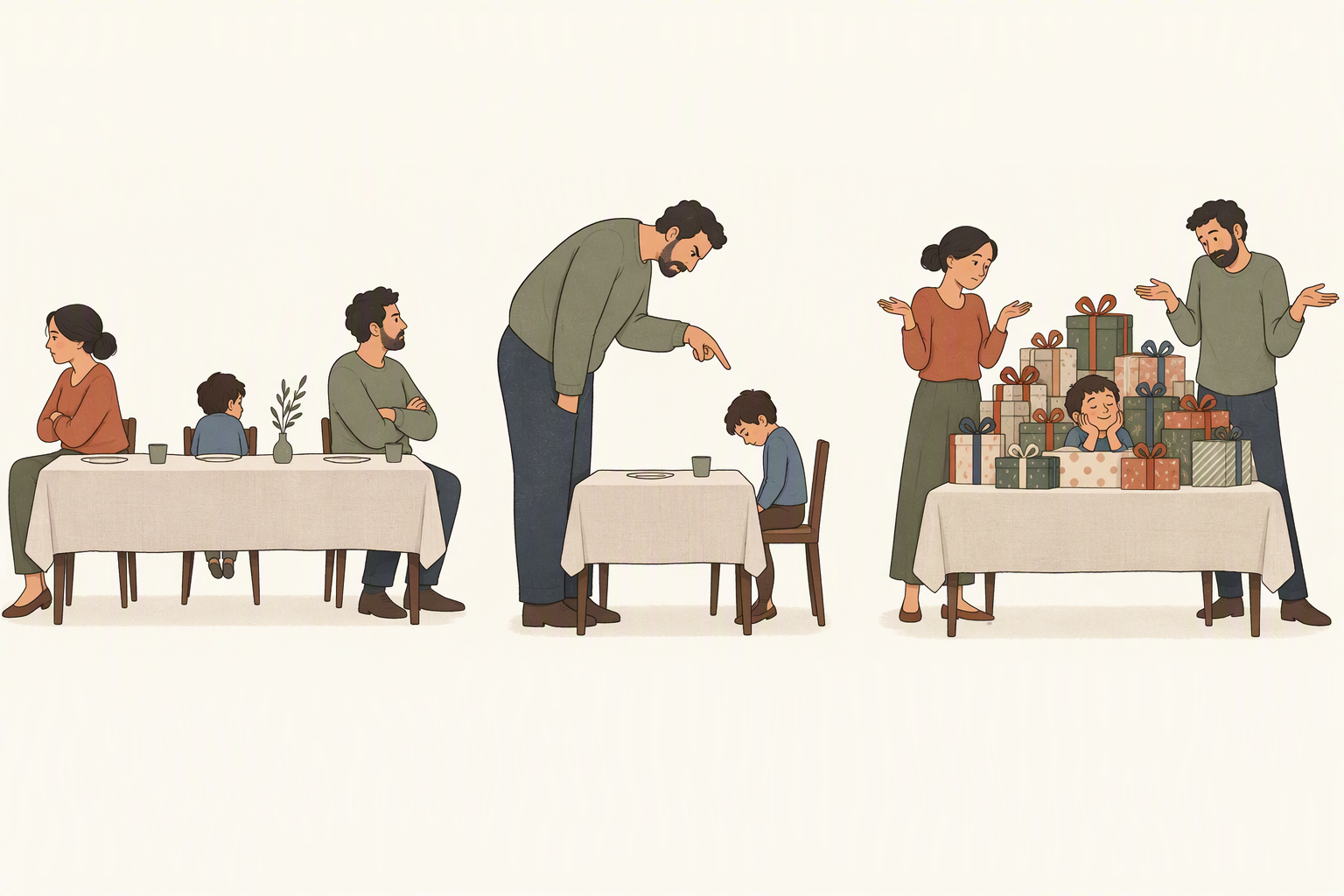
Figure 7 — Don't rush to judge. Compare and see which square your family lands in, and which ones it blends.
Four. The Medicine: Four Traits of a Healthy Family
To me, a family's health is not decided by expensive decoration or superior material conditions, but by certain inner, flowing qualities. I summarise them as four core traits. And these four happen to be the medicine for the three problem-family patterns described above.
Let me lay out the correspondence first, so you can find your own row:
| Problem family pattern (the illness) | Core crux | Corresponding healthy trait (the medicine) |
|---|---|---|
| Emotionally neglectful | No real emotional flow between members | Emotional connection |
| High-control, high-pressure | Tight control and pressure in the name of love | Clear boundaries |
| Chaotic, indulgent | No rules or boundaries; over-handling | Clear boundaries + a growth mindset |
| (Root layer) couple / self / intergenerational | Soil and root system starved | Love that flows |
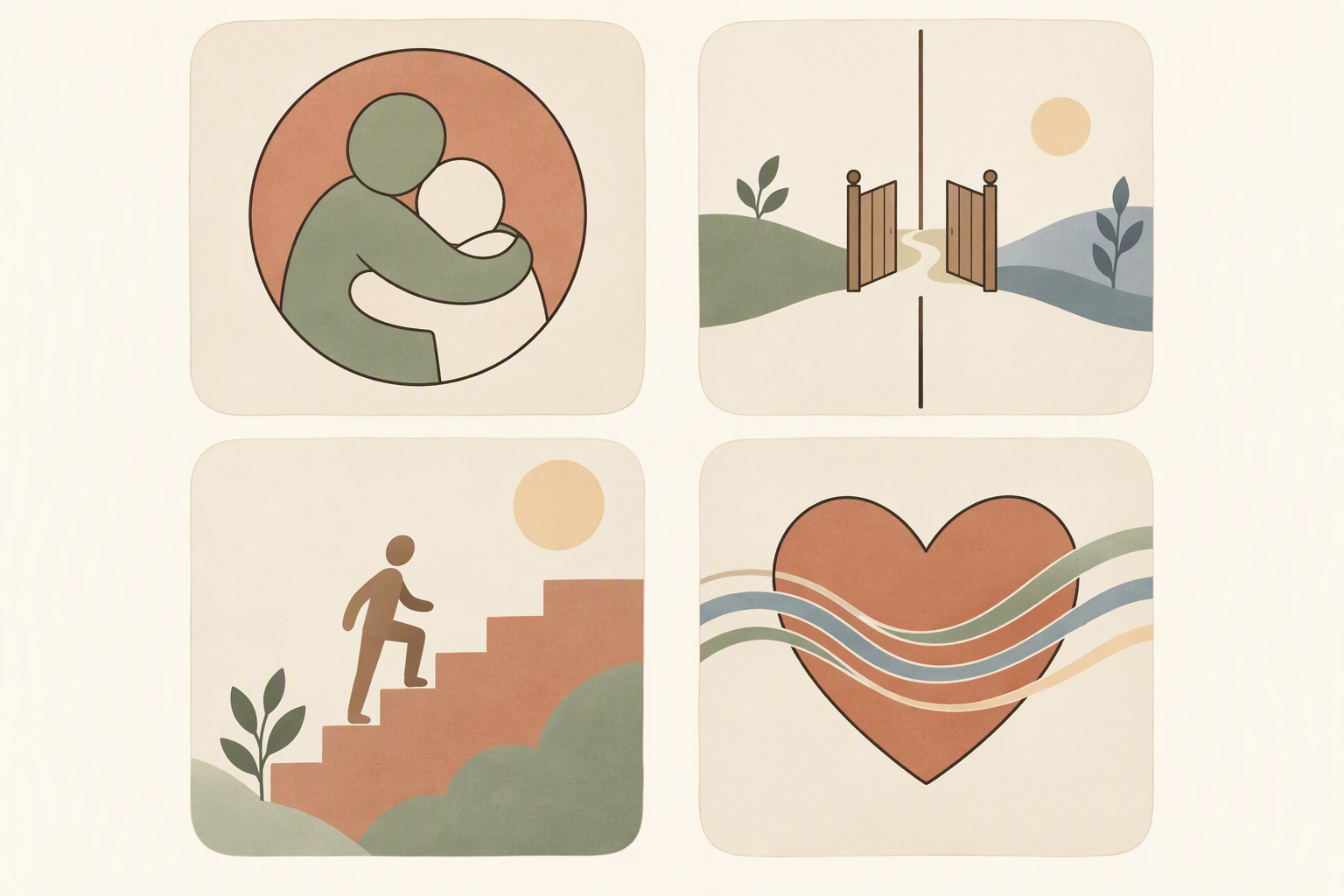
Figure 8 — The four traits happen to answer the three "illnesses" above, symptom by symptom.
Emotional Connection
The first scene I call "a container for emotion."
Imagine your child did badly on an exam, comes home with a face full of dejection, even starting to cry.
In an emotionally neglectful family, the parents would very likely deny the feeling immediately: "What is there to cry about?" — or simply ignore it: "Stop crying, let's look at where you went wrong."
In a family with high-quality emotional connection, the parents first put down what they are doing. Maybe they just sit quietly with him, or gently pat his back, and then say in a soft voice: "You look really sad. Would you like to tell me about it?"
This family allows emotion to appear and treats it as an opportunity to communicate. The parents are not in a hurry to reason or to advise; they first offer their own presence and empathy as a safe "container" for the child's surging feelings. The message they convey is: "Whatever you feel is all right. I am here with you."
The second scene is "being seen, daily."
In a healthy family there is always some fixed, purposeless time for idle talk. Maybe on the way home from school, maybe at dinner, maybe at bedtime.
Parents ask with real curiosity: "Anything fun at school today?" "What has been on your mind lately?"
When the child shares — excited or down — the parents listen with full attention, using eye contact, nods and small responses like "mm" and "and then?" to say: I am listening, I am interested in your world.
The culture of this family is: your feelings matter more than the things you do.
In such a family, love is not a word that stays on the lips; it is an energy that can be felt, and that flows. Nourished by that energy, the child accumulates the most precious psychological resource there is — a sense of safety. Inside him forms a firm belief: "No matter what difficulties or setbacks I meet out there, home is always my retreat, the place I can come back to heal and recharge."
That secure base is the greatest source of courage a child will ever have for exploring the world and facing challenges. And precisely because of it, such a child, when adolescence arrives, though facing the same adolescent contradictions and challenges, will usually have steadier emotions, healthier relationships, stronger independence and a stronger spirit of exploration — and will tend to handle problems in more positive and mature ways.
Clear Boundaries
The second and third problem patterns above — high-control and indulgent — are two faces of the same coin; both are rooted in unclear boundaries. So the second trait of a healthy family is having boundaries that are clear yet flexible. Such boundaries keep parents from being wholly ruled by the child's emotions or demands, and let the child enjoy the freedom to explore autonomously within a safe range, without having to stay on guard and fight the parents' will at every moment.
First comes respect. Parents treat the child as an independent individual worthy of respect, not as their own appendage. So they respect his privacy: they knock before entering his room, and do not rummage through his belongings.
They respect his ideas. Even when they disagree, they first let him finish and try to understand why he thinks that way.
They give him the right to choose — within a reasonable range, they let him make his own decisions and carry the consequences.
Then comes rules. Respect is not the same as letting go. A healthy family definitely has clear rules. These rules are like the family's constitution, giving everyone a sense of order and safety.
But do not misunderstand: these rules are not one-sided commands from the parents; they are the product of democratic negotiation. I will describe how to make them in detail below.
In a family with clear boundaries, the parent's role is neither a high-and-mighty dictator nor a fawning servant, but a gentle and firm guide. They have a direction in their eyes — a clear set of values — and a map in their hands — clear rules. But they do not drag the child along; they walk beside him and guide him to find his own path.
A child raised in such a family feels freedom and also learns self-discipline; knows how to respect others and also how to protect himself. In adolescence he usually finds it easier to stay mentally healthy, build stable relationships, and show greater resilience and responsibility while exploring independence and selfhood.
A Growth Mindset
Put simply, the core belief of this mindset is: ability can be continuously improved through effort and learning; process matters more than outcome; failure is a chance to learn.
When a child gets good grades, these parents do not simply say "you are so smart." They say: "I saw how hard you worked this period, and how well you used your methods." They praise the child's process of effort, not innate ability — precisely because, as described above, they believe ability can be raised through effort and learning. That is a growth mindset in action. Equally, when the child fails, they do not say "how can you be so stupid," but: "We have hit a difficulty this time. It's all right — let's look together at what we can learn from it."
When difficulties come, the whole family holds a positive, optimistic attitude. The parents do not blame each other; they treat the difficulty as a chance for the family to solve a problem together.
They tend to be lifelong learners. They read, they learn new things, and they will openly admit their own ignorance and mistakes in front of the child, then improve through learning.
In such an atmosphere the child builds strong resilience and inner drive. He is not afraid of failure, because he knows failure is not scary — it is just a stepping stone on the road to success. He studies not to please his parents and not to compare himself with others, but for his own inner growth and his curiosity about the world.
You see, our role as parents here is not the architect who designs everything in advance, but the scaffolding put up while the tower is being built. We do not decide the final shape of the building, but we provide firm protection, so the child can safely construct his own life tower, floor by floor.
Love That Flows
Connection, boundaries and growth all need an environment full of love to become real. This is the fourth trait of a healthy family, and the most important one: in a healthy family, love flows.
Love flows first between the couple.
The best gift a child can receive is to see the two people he loves most deeply love each other. Parents who respect each other, support each other and know how to express affection — that is the source of all the child's energy.
I still remember the composition my son wrote in third grade, Mum's Clivia. The opening line was: "There are several pots of flowers on our windowsill. Mum likes the clivia most — Dad brought it back for her from a business trip..." The teacher's comment was: "Excellent! You can tell at a glance that this child grew up in an environment of love."
In such a family, besides respecting and supporting each other, the couple also regularly examine their own state, take care of their own emotions, and heal their own wounds — because they know that only when this soil of theirs is fertile can it grow healthy plants.
At the same time, love also flows toward the grandparents.
Toward the elders, we keep a "seat of honour" for them in our hearts. We are grateful that they lifted up our childhood with rough hands, grateful that while we were busy they stood silently by the stove and kept a thread of human warmth in this home. This gratitude is not about repaying a debt; it is about letting the warmth in life flow backwards, upstream.
But as the child's parents, we must also be clear-headed: we are the ones primarily responsible for the family, and we need clear child-rearing boundaries with the elders. Clear boundaries are, in fact, a form of consideration for the elders, and a lightening of their load.
When such boundaries are established gently, the air at home no longer grows heavy over "who gets the final say." The child sees a harmonious intergenerational relationship: parents respect what the elders contribute without losing their own independent judgement; elders enjoy the care of the younger generation without carrying too heavy a burden.
In this orderly flow, the child learns the ground tone of respect, and also the backbone of independence. The most durable happiness of a family is often hidden in this wisdom: close but with space between, grateful but not dependent.
And love flows, without obstruction, through the whole family system.
Family members know how to say thank you, and know how to apologise sincerely. They celebrate success together and share sorrow together. Family rituals — a fixed family day, everyone's birthdays — all become channels through which love flows.
Emotional connection, clear boundaries, a growth mindset, and the love that flows behind all of it: these are the four important traits an ideal healthy family should have, and they are the blueprint we are working toward.
Five. Two Keys: Empathy and Coaching Questions
As this piece draws to a close, I want to pull out the two core principles that run through the whole book and give them their own space. They are like two invisible threads tying together every method above — whether you are dealing with a leaf, a branch or the trunk, holding these two keys means you will not go far wrong.
The first principle is empathy.
What is empathy? Empathy is not sympathy; it is not pitying your child. Empathy is not agreement either; it does not mean everything your child does is right. Empathy is standing in your child's position to understand his feelings and see his emotions.
We have already met it in the section on "a container for emotion": do not rush to judge; catch the feeling first.
The second principle is coaching questions.
We are used to giving children answers and reasoning with them, but what adolescents hate most is being lectured. Coaching questions use questions to lead the child to think for himself and find his own answer.
It is not "here is what you should do," but "what do you think?", "what if...?", "what kind of help would you like?" It hands the initiative in thinking back to the child.
These two keys — one opens the child's heart (empathy), the other wakes up the child's own wisdom (questions). They do not solve any specific problem, yet they allow almost every specific problem to dissolve naturally inside a better parent–child relationship.
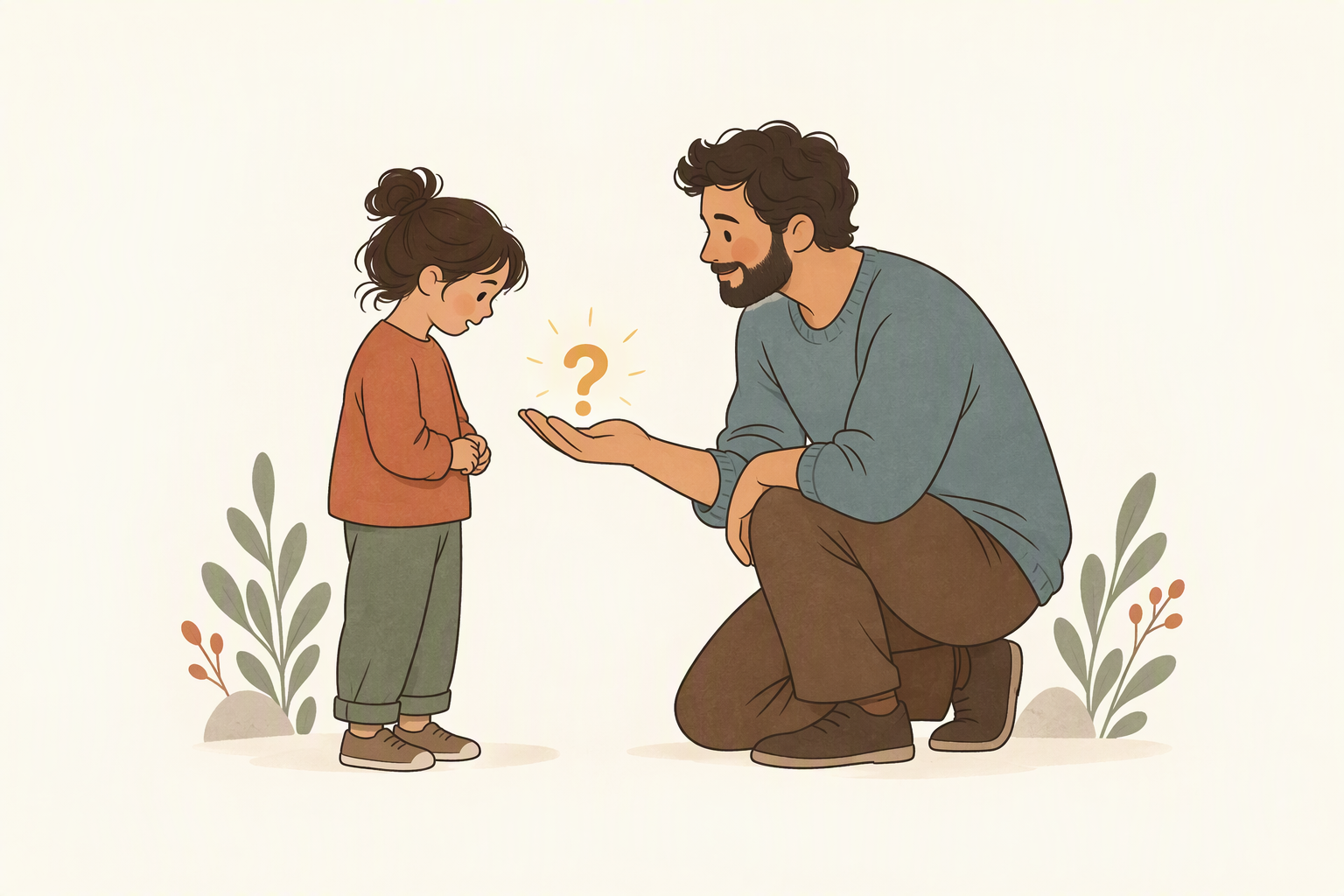
Figure 9 — Two keys: open the heart first, then hand back the initiative to think.
Closing
Change is never too late. As long as you start learning and start acting, you are injecting new hope into your family. Every change you make writes a new chapter for your child.
Source and note: this piece is selected from sections 01–04 of the "Origins" chapter of Chen Xingjia's You Are Your Child's Prequel. The original author is Long Hai (@longhaiqwe123). Passages are reproduced from the original book in full paragraphs with slight abridgement and no rewriting. The section order and illustrations were reorganised and redrawn by the blogger to make the logic clearer and easier to read. The views and text are copyrighted by the original author and publisher. I strongly recommend buying You Are Your Child's Prequel (Chen Xingjia) and Cognitive Awakening (Zhou Ling) in print and reading them in full.